Top Australian Orthopaedic Innovations Transforming Patient Care?
The field of Australian orthopaedic innovations is rapidly evolving. These advancements focus on improving patient care and outcomes. With cutting-edge technology and research, Australian orthopaedic practices are transforming how surgeons treat patients.
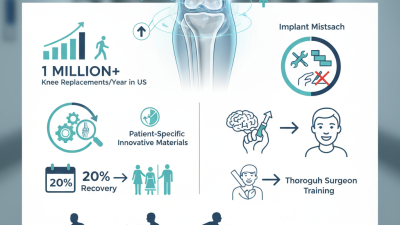
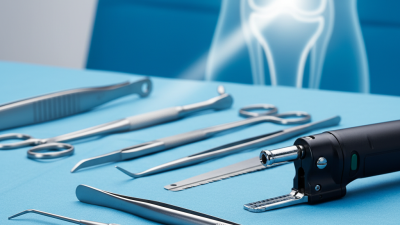
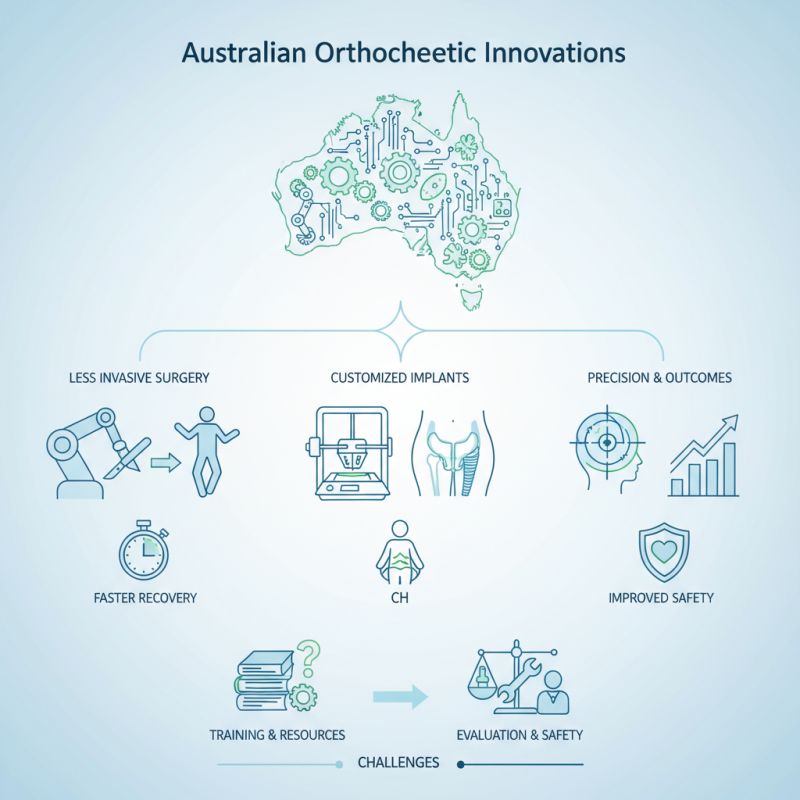
New surgical techniques and devices are making procedures less invasive and more effective. For instance, robotic-assisted surgeries are becoming more common. These innovations reduce recovery times and enhance precision. Additionally, 3D printing in orthopaedics allows custom implants tailored to individual patients. This personalization can drastically improve comfort and function.
However, the integration of new technologies presents challenges. Not all practices adopt these advancements at the same pace. Training and resources can vary widely across institutions. It is crucial for healthcare providers to continually evaluate the effectiveness of these innovations. Balancing innovation with patient safety remains a vital consideration in the Australian orthopaedic landscape.
Emerging Technologies in Australian Orthopaedics: A Comprehensive Overview
The landscape of Australian orthopaedics is rapidly evolving with emerging technologies that enhance patient care. Recent studies indicate that the use of 3D printing in surgical planning can reduce operation times by up to 30%. Surgeons can create custom implants tailored to the specific anatomy of each patient. This innovation not only improves outcomes but also minimizes complications.
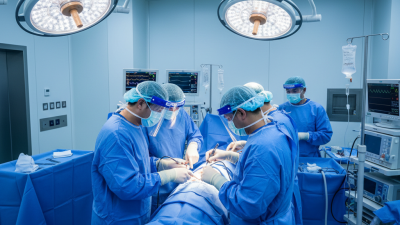
Robotic-assisted surgeries are another area of significant advancement. Reports suggest that these techniques provide surgeons with greater precision, leading to less invasive procedures. Importantly, this approach has shown reductions in hospital stays by nearly 50%. However, reliance on robotic systems raises questions about surgical training and accountability. Not all surgeons are versed in these new technologies, which may widen the gap in patient care equity.
Artificial intelligence (AI) is taking a front seat in diagnostic processes. AI algorithms can analyze imaging data with remarkable accuracy, sometimes outperforming human radiologists. Yet, concerns about bias in AI training data exist. If AI reflects existing disparities, it could perpetuate inequalities in treatment accessibility. This highlights the need for continuous evaluation and adjustment of AI systems.
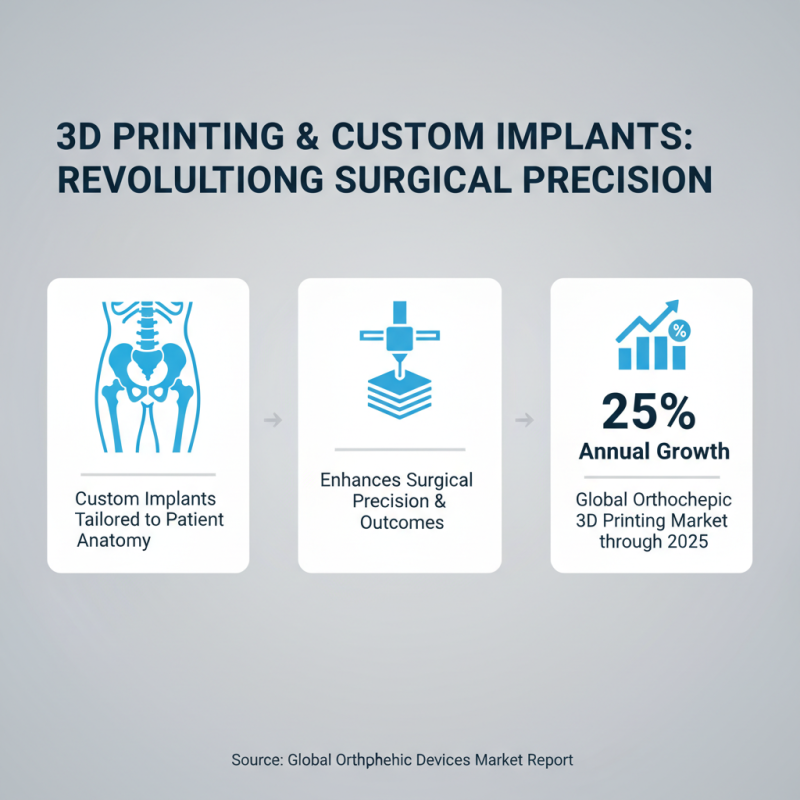
3D Printing and Custom Implants: Revolutionizing Surgical Precision
3D printing is rapidly transforming orthopaedic surgery. It allows for the creation of custom implants tailored to individual patient anatomy. A recent report from the Global Orthopaedic Devices Market indicates that the 3D printing sector is projected to grow by over 25% annually through 2025. This technology greatly enhances surgical precision and outcomes.
Custom implants reduce the risk of post-surgical complications. For instance, studies show that patients receiving tailored implants experience a lower revision rate compared to standard models. However, there are challenges. The technology requires stringent quality control to ensure safety and efficacy. Not all hospitals have the resources to integrate these advanced techniques.
Moreover, the time taken to prepare custom implants can delay surgeries. While 3D printing has shown tremendous promise, it highlights a gap in training and access among healthcare providers. Advancing this technology is key, but ensuring all practitioners can effectively use it is essential for consistent patient care.
Telemedicine in Orthopaedics: Enhancing Access and Continuity of Care
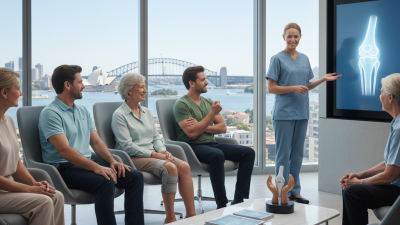
Telemedicine has emerged as a vital tool in orthopaedics. It allows patients to consult specialists without lengthy travel. This innovation improves access, particularly for those in rural areas.
Virtual consultations reduce time spent in waiting rooms. Many patients appreciate the convenience of receiving care from home.
Continuity of care is essential for effective treatment. Telemedicine facilitates follow-up appointments and quick adjustments to treatment plans. Patients can share progress or concerns easily through digital platforms.
However, some patients face challenges like poor internet connectivity. Others might not feel comfortable using technology. These barriers remind us that not all solutions work for everyone.
Despite its benefits, telemedicine has limitations. During physical examinations, key details can be missed. Some conditions require hands-on assessments. As technology evolves,
finding a balance between virtual and traditional care remains crucial. The goal is to ensure all patients receive the best possible care, regardless of their circumstances.
Data-Driven Approaches: Utilizing Big Data in Patient Outcomes
In recent years, big data has revolutionized the field of orthopaedics in Australia. Hospitals now gather vast amounts of data from patient records, treatment outcomes, and recovery times. This data feeds powerful algorithms that help surgeons make informed decisions. They can predict complications and tailor treatments to individual needs.
The use of predictive analytics is particularly intriguing. Imagine surgeons accessing real-time data to estimate patient recovery. They can analyze factors like age, lifestyle, and previous medical conditions. Yet, despite these advancements, ethical issues arise. Ensuring patient privacy is paramount. Balancing data use with confidentiality remains a challenge.
Clinical trials are evolving due to data-driven approaches. Researchers can now monitor patient outcomes closely over time. This continuous feedback loop helps refine surgical techniques. However, data interpretation can be complex. There is still a need for human expertise to validate findings. Reliance on technology must be paired with skilled professionals in the field.
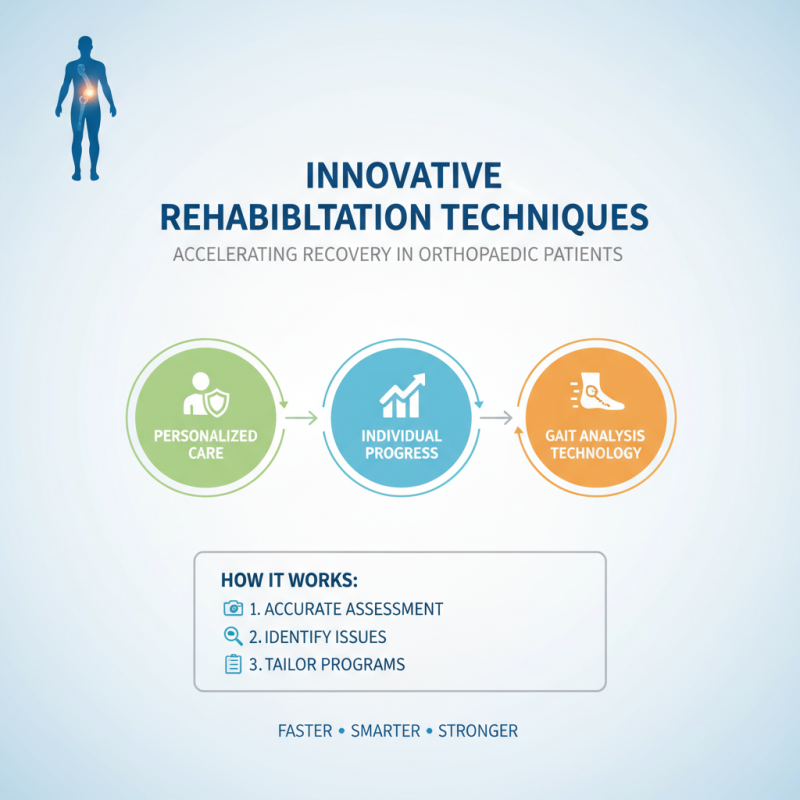
Innovative Rehabilitation Techniques: Accelerating Recovery in Patients
Innovative rehabilitation techniques are transforming recovery for patients with orthopaedic injuries. These methods prioritize personalized care and emphasize the importance of individual progress. One approach is the use of gait analysis technology. This tool allows therapists to assess patient movement patterns accurately. By identifying specific issues, they can tailor rehabilitation programs effectively.
Tips: Setting small, achievable goals can significantly boost motivation. Celebrate each milestone, no matter how minor it may seem.
Another exciting advancement is virtual reality (VR) rehabilitation. Patients can engage in interactive exercises that mimic real-life activities. This approach not only improves physical strength but also enhances mental engagement. It creates a stimulating environment that makes therapy more enjoyable.
Tips: Incorporate variety into your exercises. Changing routines can prevent boredom and encourage consistent participation.
Despite these innovations, challenges remain. Not all patients respond to new methods equally. Some may struggle with technology or require additional support. Continuous feedback and adaptation of rehabilitation plans are crucial for optimal recovery outcomes. The journey can vary greatly from one patient to another, highlighting the need for flexibility in treatment.