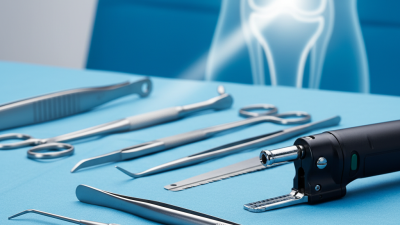
2026 Best Arthroscopy Knee Surgery Techniques for Effective Recovery
Arthroscopy knee surgery has revolutionized the treatment of knee injuries. This minimally invasive technique allows surgeons to diagnose and repair knee issues with precision. As athletes and active individuals seek effective recovery options, understanding advanced techniques is essential.
In 2026, innovative methods in arthroscopy knee surgery promise even better outcomes. Enhanced visualization and instrumentation aid surgeons in intricate procedures. These advancements can reduce recovery time significantly. However, the emotional and physical challenges of rehabilitation should not be underestimated. Recovery demands patience and dedication from patients.
Patients must recognize that not all techniques are suitable for every case. Individual circumstances greatly influence the effectiveness of the surgery and recovery. By exploring the best options available, patients can make informed decisions for the path ahead. The journey may be complex, but the right technique can lead to a successful return to activity.
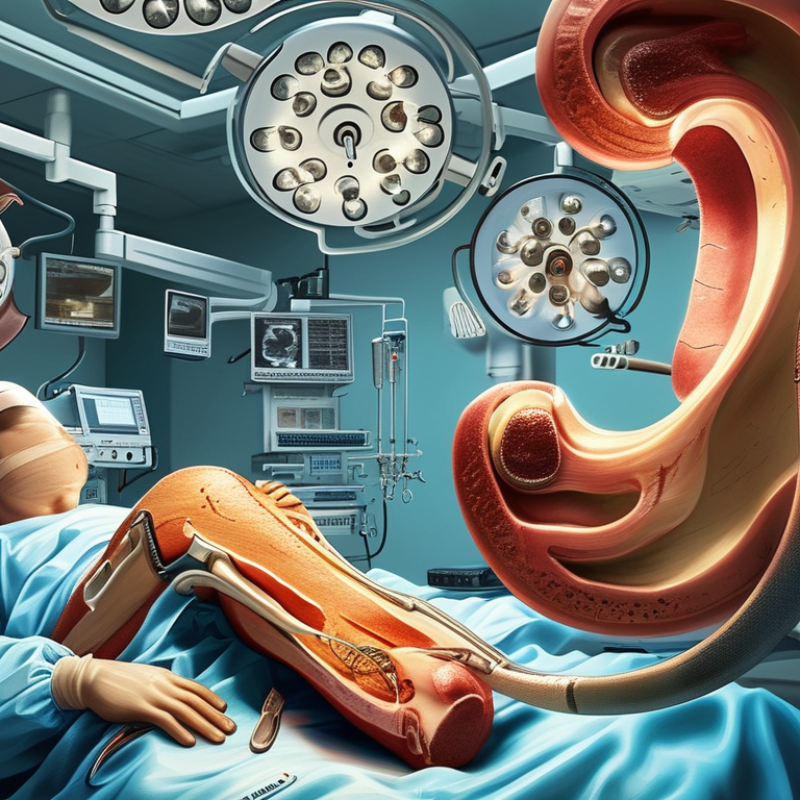
Overview of Arthroscopy Knee Surgery Techniques
Arthroscopy knee surgery has become a widely recommended procedure for various knee issues. It involves minimally invasive techniques, which result in quicker recovery times. Surgeons use small incisions and specialized instruments to diagnose and treat conditions like torn ligaments or damaged cartilage.
Different techniques are employed based on individual needs. For instance, arthroscopic debridement removes loose fragments from the joint. Meanwhile, ligament reconstruction may involve grafting tissue to support a torn ligament. Each option presents unique benefits and challenges. It is vital to discuss the best approach with a qualified orthopedic specialist.
Tips:
Recovery is crucial. Follow your doctor’s recommendations on rest and rehabilitation. Engage in physical therapy early to regain strength and mobility. Monitor pain and swelling; contact your doctor for unexpected changes. Listen to your body during recovery. Some discomfort is expected, but persistent pain needs attention.
Stay informed about the latest techniques in arthroscopy. Research findings and advancements in technology improve surgical outcomes. However, individual recovery experiences may vary. Reflect on your progress and address any concerns with your medical team for optimal recovery.
Benefits of Arthroscopic Surgery for Knee Recovery
Arthroscopic knee surgery has gained popularity for its effectiveness and quick recovery. This minimally invasive technique allows surgeons to diagnose and treat knee issues with small incisions. Patients often experience less pain and quicker rehabilitation compared to traditional open surgeries. Less tissue damage means a reduced chance of infection as well.
However, the journey to recovery is not without challenges. Many patients underestimate the importance of following post-operative instructions. This oversight can lead to complications or delayed healing. Patience is crucial. Some may struggle with the boredom of rehabilitation exercises. Yet, these exercises are vital. They strengthen muscles and restore mobility, paving the way for a successful recovery.
Tips: Set realistic goals for each week. Celebrate small victories. Staying motivated during recovery keeps spirits high. Establish a routine for physical therapy sessions. Consistency is key. Keeping a journal to track progress can also help visualize improvements over time. Remember, recovery is a personal journey. Each person heals at their own pace.
2026 Best Arthroscopy Knee Surgery Techniques for Effective Recovery
| Technique |
Description |
Benefits |
Recovery Time |
| Diagnostic Arthroscopy |
Minimally invasive procedure to visualize the inside of the knee joint. |
Early diagnosis of knee issues, reduced healing time. |
1-2 weeks |
| Meniscus Repair |
Repair of torn meniscus using arthroscopic techniques. |
Preserves knee function, reduces arthritis risk. |
4-6 weeks |
| ACL Reconstruction |
Reconstruction of the anterior cruciate ligament using grafts. |
Restores stability, allows for return to sports. |
6-9 months |
| Cartilage Repair |
Techniques to repair damaged knee cartilage, including microfracture and grafting. |
Promotes cartilage healing, improves joint function. |
4-6 months |
| Lateral Release |
Procedure to relieve pressure on the kneecap. |
Reduces pain, improves patella tracking. |
2-4 weeks |
Preoperative Considerations and Preparation for Patients
Preparing for arthroscopy knee surgery involves several key considerations. Patients should consult with their healthcare team well before the procedure. This includes discussing medical history and any current medications. A detailed understanding of one’s condition is vital for a successful outcome. Weight management may be beneficial, as it can reduce strain on the knee joint.
Mental preparation is equally important. Patients often feel anxious before surgery. Engaging in relaxation techniques can help manage stress levels. Visualizing a successful recovery may also foster a positive mindset. Furthermore, it is crucial to arrange post-surgery support at home. Having a friend or family member to assist can encourage a smoother recovery process.
Patients must also consider their recovery plan. Physical therapy plays a significant role in restoring mobility. Setting realistic expectations is essential, as recovery times vary. Individuals should not rush the healing process. Reflecting on these factors leads to better preparation. Each decision made preoperatively contributes to the overall success of the surgery.
2026 Best Arthroscopy Knee Surgery Techniques
Postoperative Care and Rehabilitation Strategies
Postoperative care is crucial for patients undergoing arthroscopy knee surgery. According to the American Academy of Orthopaedic Surgeons, effective recovery relies heavily on appropriate rehabilitation strategies. Early intervention can significantly reduce swelling and restore range of motion. Ice therapy and compression bandages are recommended immediately after surgery. Patients should aim to move their knee gently within the first few days.
Physical therapy often begins within one week post-surgery. This step is vital for rebuilding strength and stability. Research published in the Journal of Orthopaedic Research indicates that 70% of patients who engage in early physical therapy report improved mobility. However, not all patients adhere to their rehabilitation schedule. Consistency in performing prescribed exercises remains a challenge. This can hinder recovery timelines and complicate rehabilitation.
Patients must also be aware of common pitfalls. Neglecting pain management can lead to unnecessary discomfort. Some may push their limits too soon, risking further injury. Listening to your body is essential. Regular follow-ups with healthcare providers can help track progress. By acknowledging these factors, patients can better navigate their recovery journey and achieve effective outcomes.
Emerging Innovations in Knee Arthroscopy Techniques
Knee arthroscopy has evolved significantly, incorporating emerging innovations that promise more effective recovery. Recent studies indicate that minimally invasive techniques can reduce recovery time by up to 30%. This is crucial for athletes and active individuals looking to return to their routines swiftly. Enhanced imaging technologies, such as 3D visualization, allow surgeons to diagnose issues with greater accuracy. This innovation minimizes the risk of complications during the procedure.
Another promising advancement is the use of biodegradable implants. These implants gradually dissolve after providing support, eliminating the need for a second surgery to remove them. This technique aligns with trends emphasizing patient-centric care, making recovery easier. Research shows that patients experience less pain and faster rehabilitation with these newer methods.
**Tip:** Always discuss recovery expectations with your surgeon. Understanding the nuances of your specific technique can alleviate anxiety.
Additionally, the integration of artificial intelligence in surgery planning is becoming popular. AI helps streamline operations and enhances decision-making by analyzing patient data. Nonetheless, reliance on technology raises concerns about potential errors. It is crucial to weigh the benefits against possible complications.
**Tip:** Ask questions about your surgeon's experience with these innovative techniques. Informed decisions lead to better outcomes.