China Top Knee Replacement Solutions for Global Buyers?
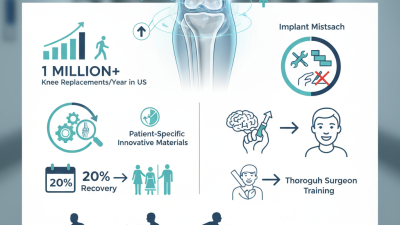
Knee replacement is one of the most common surgical procedures globally. The demand for knee replacement surgery continues to rise, driven by an aging population and increasing prevalence of knee-related conditions. According to a report from the American Academy of Orthopaedic Surgeons, knee replacements are expected to reach nearly 3.5 million procedures annually by 2030.
China has emerged as a significant player in the knee replacement market. The country's advanced medical technologies and skilled orthopedic surgeons make it an appealing destination for global buyers. In 2022, the Chinese knee implant market was valued at approximately $1.3 billion, reflecting a robust growth trend. However, the quality of implants and surgical practices can vary significantly across different providers.
Potential buyers must conduct thorough research to ensure the best outcomes. Experiences from previous patients can provide insights into the reliability of various solutions. Moreover, with advancements in minimally invasive techniques and enhanced recovery protocols, the future of knee replacement surgery continues to evolve, promising better results in patient care.
Emerging Trends in Knee Replacement Solutions in China
In recent years, China's knee replacement solutions have attracted global attention. With a growing elderly population, the demand for advanced surgical techniques is increasing. Many hospitals are investing in cutting-edge technology. Innovations like robotic-assisted surgeries are becoming more common, promising improved accuracy and recovery times.
However, challenges persist. Some healthcare facilities struggle with standardization of procedures. Variability in training among surgeons can affect outcomes. Additionally, the price of high-quality implants can be a concern for many patients. Although the government encourages the adoption of new technologies, the pace of change can be slow.
Emerging trends also point to increased collaboration between Chinese manufacturers and international partners. This collaboration aids in sharing knowledge and expertise. The goal is to enhance product quality and safety. Patients can often access these advanced solutions at a fraction of the cost seen in Western countries, making China a viable option for many looking for affordable healthcare.
Key Manufacturers and Innovators in China's Knee Replacement Market
China’s knee replacement market has rapidly evolved in recent years. This growth can be attributed to a mix of local manufacturers and innovative approaches. Many companies are focusing on reducing costs while improving patient outcomes. They are developing advanced technologies that facilitate better surgical techniques. However, challenges remain in balancing affordability and quality.
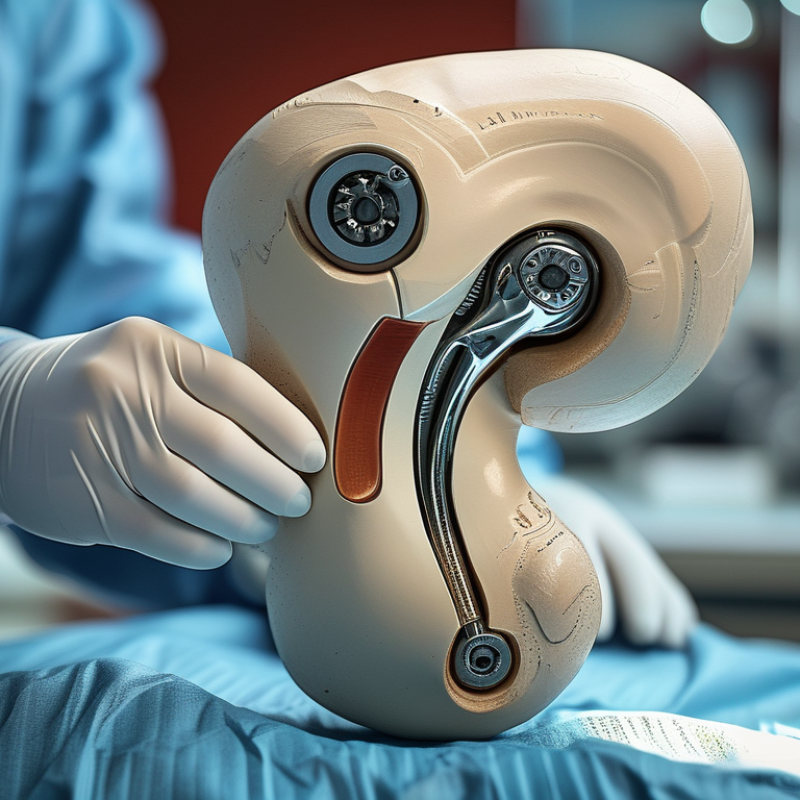
Several key players in this market are making strides in design and materials. They focus on creating implants that offer durability and improved mobility. Some manufacturers are also exploring 3D printing technologies to customize implants for individual anatomical needs. While these innovations are promising, consistency in quality across different suppliers needs to be monitored closely.
The regulatory environment in China adds another layer of complexity. The process for approvals can impact how quickly new solutions reach the market. Many manufacturers are learning to navigate these regulations to maintain compliance. Still, the varying standards can raise concerns about the safety and effectiveness of products. Global buyers must remain vigilant as they explore partnerships within this expanding market.
China Knee Replacement Market Overview
This chart provides an overview of the growth in knee replacement units sold in China over the years 2018 to 2022. The market has shown significant growth, indicating increasing demand for knee replacement surgeries and products.
Quality Standards and Certifications for Knee Implants in China
Quality standards and certifications for knee implants play a crucial role in ensuring patient safety. In China, manufacturers are increasingly focusing on adhering to international quality norms. This includes ISO certifications and compliance with the Medical Device Directive. These standards help in ensuring that the knee implants meet safety and efficacy benchmarks. However, not all manufacturers continuously meet these standards, which can lead to quality discrepancies.
Certification processes can be rigorous. Manufacturers must demonstrate their products undergo extensive testing. This covers everything from materials used to the final design. Some facilities may lack transparency in their operations, raising questions about the reliability of their products. It's important for global buyers to research these certifications and verify the claims made by manufacturers.
When selecting knee replacement solutions, focus on suppliers with a track record of compliance. Understand the specific standards their implants meet. Investigate any past quality issues and how they were addressed. Engage with independent reviews and clinical data before making a purchasing decision. Awareness of potential risks and flaws can lead to improved outcomes for patients.
Cost Comparison of China’s Knee Replacement Solutions vs. Global Options
When evaluating knee replacement solutions, cost is a significant factor for global buyers. A recent report from the Global Healthcare Cost Index indicates that knee replacement procedures in China can be up to 50-70% less expensive than similar surgeries in the United States and Western Europe. For instance, the average cost of a knee replacement in China is around $8,000, while in the U.S., it may exceed $40,000. This price disparity makes China an attractive option for many seeking quality care.
Another critical aspect is the quality of services provided. While costs are lower, patients must consider the qualifications of medical staff and facility standards. According to the World Health Organization, China has improved its healthcare infrastructure significantly in recent years. However, varied experiences exist among different hospitals. Some facilities boast advanced technology and skilled professionals, while others may lack essential resources. This inconsistency calls for thorough research before making decisions.
Moreover, while affordability is a major advantage, potential buyers must weigh it against factors like post-operative care and rehabilitation services. Effective follow-up care is crucial for recovery. A study conducted by the International Journal of Health Services underscores the importance of aftercare in ensuring successful outcomes. Thus, ensuring comprehensive care is vital to complement the cost benefits.
China Top Knee Replacement Solutions for Global Buyers - Cost Comparison
| Region |
Average Cost (USD) |
Surgery Success Rate (%) |
Recovery Time (Weeks) |
Post-Op Care Quality (1-5) |
| China |
$10,000 |
95 |
4 |
4 |
| United States |
$40,000 |
90 |
6 |
5 |
| Germany |
$35,000 |
92 |
5 |
5 |
| India |
$8,000 |
93 |
5 |
4 |
| Brazil |
$20,000 |
88 |
6 |
4 |
Patient Experiences and Outcomes in Chinese Knee Replacement Procedures
Knee replacement surgery in China has been gaining attention from global buyers. Patients report varied experiences, with many praising the efficiency and quality of care. Surgeons often emphasize their extensive training and experience in handling complex cases. Yet, individual outcomes can differ significantly based on several factors.
Some patients have highlighted quick recovery times. Physiotherapy regimens are usually tailored to the patient's needs. However, not every journey is smooth. Complications can occur, and understanding the potential risks is crucial. Emotional support plays an essential role in patient recovery, as many face challenges in adjusting to new mobility.
Consider these points when exploring knee replacement options abroad. Research local procedures and surgeon credentials. Connect with previous patients online to gather firsthand accounts. Reflect on your own medical history and be prepared for potential hurdles during recovery. Ultimately, making informed decisions is key for a successful knee replacement experience in China.