2026 How to Prepare for Knee Replacement Revision Surgery?
Knee replacement revision is a significant procedure in orthopedic surgery. According to a report from the American Academy of Orthopaedic Surgeons, nearly 10% of knee replacements require revision within 10 to 15 years. Factors such as implant failure and infection contribute to this need for surgery. As the population ages and more individuals undergo knee replacement, the number of revisions will likely rise.
Preparing for knee replacement revision involves understanding the complexities of the procedure. Patients should gather information about potential risks and outcomes. They should also consider their rehabilitation process. Studies show that about 90% of patients experience pain relief and improved function after revision surgery. However, some may face complications that require careful management and support.
Emotional readiness is key to this journey. It can be challenging for patients to face another surgery. They must reflect on their previous experiences and communicate openly with their healthcare team. Support from family and friends can also play a vital role in recovery. Each step taken in preparation builds toward a more successful outcome.

Understanding the Need for Knee Replacement Revision Surgery
Knee replacement revision surgery may be necessary for various reasons. Over time, the original implant can wear out. Some patients experience persistent pain or loss of mobility. Infections or fractures around the implant may also trigger the need for revision. Understanding these triggers is vital for any patient considering knee surgery.
Discuss your symptoms with a trusted orthopedic specialist. They can assess your situation and recommend appropriate imaging tests. These tests will help determine the condition of your implant and surrounding structures. Sometimes, physical therapy might improve your situation without needing surgery. However, if a revision is deemed necessary, your surgeon will guide you through the process.
Experience matters in these procedures. Not all surgeons have the same expertise in revision surgery. Look for someone with a proven track record in successful outcomes. It’s essential to weigh all options, including the risks involved with surgery. Making informed decisions can lead to better healthcare results. Embrace a proactive approach to your joint health, while remaining aware of the complexities involved.
Preoperative Evaluation and Assessments for Knee Revision Surgery
Before undergoing knee revision surgery, proper preoperative evaluation is crucial. A thorough assessment includes a review of your medical history and physical examinations. Surgeons often request imaging studies, such as X-rays or MRIs, to understand the current condition of the knee. These images help identify any complications or issues that might affect the surgery outcome.
Additionally, discussing your expectations and concerns with your surgical team is essential. It’s an opportunity to clarify any uncertainties and set realistic goals for recovery. Addressing psychological readiness is also important. Some patients may harbor anxiety about the procedure or the recovery process. This emotional aspect can influence the healing journey.
Moreover, nutrition plays a role in preparation. A balanced diet supports overall health and can enhance surgical outcomes. Reflecting on your lifestyle habits, including exercise and smoking, is also vital. For example, quitting smoking not only improves recovery but also decreases the risk of complications. Each preparation step can seem small but can significantly impact your overall experience and results.
Preparing Physically and Mentally for Knee Replacement Revision
Preparing for knee replacement revision surgery involves careful physical and mental preparation. Research indicates that up to 20% of initial knee replacements may require revision within 15 years (American Academy of Orthopaedic Surgeons). This significant statistic underscores the importance of being ready both physically and psychologically for the procedure.
Physically, focus on enhancing your strength and flexibility. Engage in low-impact exercises, such as swimming or cycling, to build muscle around the knee. These activities can improve post-surgery recovery. However, don’t push your limits. It's common to feel fatigued or encounter discomfort. Reflecting on these challenges helps build resilience for your upcoming surgery.
Mentally, it is essential to manage anxiety and set realistic expectations. Visualization techniques can be useful. Picture a successful recovery and improved mobility. Yet, it’s fair to acknowledge that setbacks may occur. A study found that about 30% of patients experience pain after revision surgery (Journal of Arthroplasty). Preparing mentally for these potential obstacles is vital in fostering a positive mindset during your healing journey.
2026 How to Prepare for Knee Replacement Revision Surgery?
| Preparation Aspect |
Details |
| Physical Preparation |
Engage in preoperative exercises to strengthen muscles around the knee. |
| Weight Management |
Achieve a healthy weight to reduce stress on the knee joint. |
| Mental Readiness |
Practice relaxation techniques and visualize a positive recovery. |
| Setting Recovery Goals |
Define realistic recovery milestones to stay motivated. |
| Home Environment Preparation |
Modify the home setup for accessibility and safety post-surgery. |
| Support System |
Gather a support network of family and friends for recovery assistance. |
| Follow-Up Care Plan |
Schedule follow-up appointments with your healthcare provider for monitoring recovery. |
Postoperative Care and Rehabilitation Strategies
Preparing for knee replacement revision surgery requires careful consideration, especially in postoperative care and rehabilitation. After surgery, initial recovery can be challenging. Pain and swelling are common, and managing these symptoms is crucial for recovery. Ice packs can help reduce the swelling. Remember to keep the knee elevated when resting to promote better circulation.
Rehabilitation strategies should begin early. Gentle exercises are essential to restore mobility. Your physical therapist may guide you through basic stretches to enhance flexibility. Don't rush the process—listen to your body. It’s normal to feel frustration at times, especially when progress seems slow.
Tips: Take short walks to gradually improve strength. Set small, achievable goals each week. This approach helps maintain motivation. Also, consider joining a support group, where sharing experiences can provide emotional relief. Recovery from revision surgery is a journey, and each step counts.
Potential Risks and Complications of Knee Revision Surgery
Knee revision surgery is not without its risks. Understanding these potential complications is crucial. Patients may face infections, blood clots, or implant failure. Each of these issues can lead to extended recovery times and additional surgeries. For this reason, a thorough pre-operative evaluation is essential.
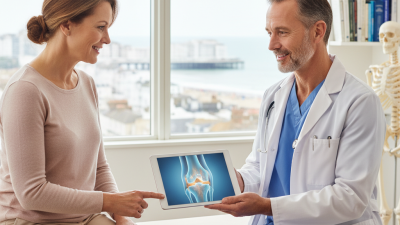
Engaging in a detailed discussion with your surgeon is beneficial. Ask about the specific risks associated with your case. Different patients have different health backgrounds that can influence outcomes. Don't hesitate to express your concerns and preferences.
Tips: Always adhere to your surgeon's pre-operative instructions. This might include lifestyle changes or physical therapy. Preparing your home for recovery can also help. Clear pathways and create a comfortable recovery space to reduce falling risks. Remember, the more informed you are, the better your chances of a successful surgery and recovery.