
Top Dr Orthopaedic Surgeon for Joint Replacement?
Choosing a joint replacement surgeon is not like choosing a new appliance. The decision affects how you walk, sleep, climb stairs, and manage pain. A qualified dr orthopaedic surgeon should explain the likely benefits, risks, alternatives, and recovery demands in language you can understand. The right choice depends on your diagnosis, health, goals, and the surgeon’s experience with the specific procedure—not on a “top” label alone.
Dr. William J. Maloney, an orthopaedic surgeon at Stanford, is a relevant specialist to consider when researching joint replacement. I cannot verify a direct quotation from him here, so I will not put invented words in his mouth. A sound principle for patients is this: “Understand the options, expected recovery, and risks before deciding.” Ask how often the surgeon performs your operation, what complications may arise, and who will guide your rehabilitation. Ask, too, what happens if recovery is slower than expected.
Details matter. Picture the first weeks at home: a chair that is easy to rise from, clear floor space, and someone available to help. Still, preparation cannot promise an easy recovery. That is worth remembering. This guide will examine surgeon credentials, consultation questions, hospital care, and realistic recovery expectations, helping readers make a more informed decision with their own clinician.
What Defines a Top Orthopaedic Surgeon for Joint Replacement
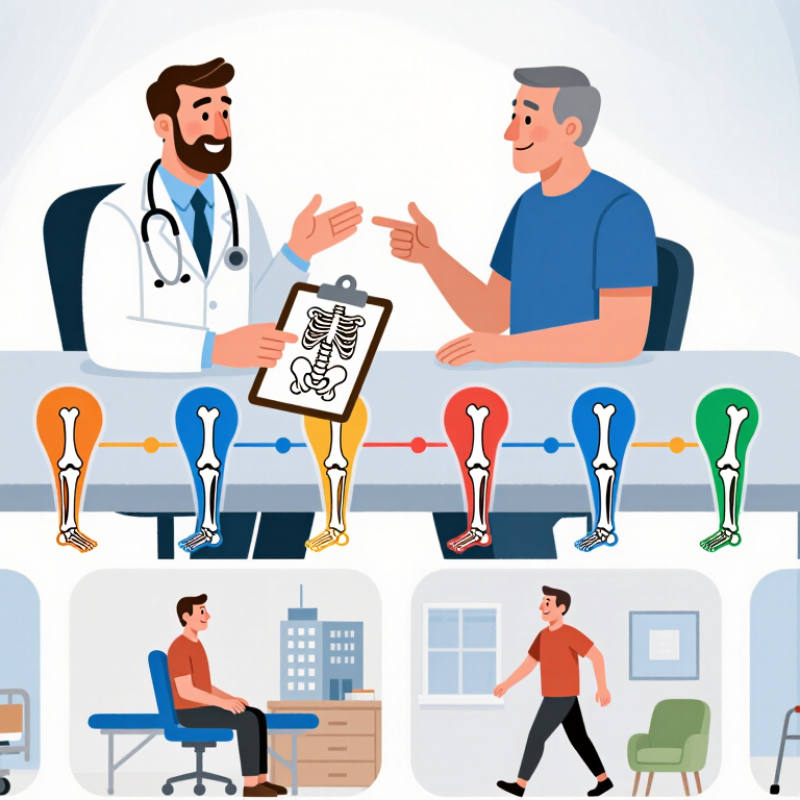
A top orthopaedic surgeon for joint replacement is defined by more than a long list of credentials. Experience matters, especially with the specific joint involved, whether it is a hip, knee, or shoulder. A skilled surgeon should explain treatment options clearly, including non-surgical care and possible limitations. The consultation should feel like a two-way conversation, not a rushed sales pitch.
Technical knowledge is equally important. The surgeon should understand implant design, bone quality, movement patterns, and rehabilitation demands. They should review imaging carefully and connect it with your symptoms, walking pattern, or difficulty climbing stairs. Ask how often they perform the procedure and how they handle complications. Honest answers build confidence. Vague promises do not.
A reliable surgeon also works within a careful team. Nurses, anaesthesia professionals, physiotherapists, and follow-up staff can strongly influence recovery. Look for clear instructions about wound care, pain control, mobility, and warning signs after surgery. Peer recognition and hospital standards may offer useful evidence, but they should not replace personal questions. No surgeon is flawless. Even experienced clinicians can face unexpected bleeding, stiffness, infection, or delayed healing. What matters is preparation, communication, and accountability when recovery differs from plan. Bring your medication list and describe your daily goals. Small details matter.
Top Dr Orthopaedic Surgeon for Joint Replacement? - What Defines a Top Orthopaedic Surgeon for Joint Replacement
A high-quality assessment should consider training, procedure-specific experience, risk-adjusted outcomes, patient safety, communication, and long-term follow-up rather than popularity alone.
| Assessment Dimension | What to Look For | Reliable Evidence or Data | Why It Matters |
|---|---|---|---|
| Relevant Training | Formal specialist training in orthopaedic surgery with focused experience in hip and knee replacement. | Medical license, specialist certification, hospital privileges, and documented training in adult reconstruction or joint replacement. | Specialized training supports accurate diagnosis, appropriate procedure selection, and safe management of complex cases. |
| Procedure-Specific Experience | Regular performance of the exact operation being considered, such as primary hip replacement, primary knee replacement, or revision surgery. | Annual procedure volume separated by procedure type, including primary and revision operations rather than one combined total. | Experience should be relevant to the patient’s specific joint, diagnosis, age, anatomy, and surgical complexity. |
| Outcome Transparency | Willingness to discuss complications, readmissions, reoperations, revisions, and functional outcomes. | Risk-adjusted outcome reports, audited institutional data, national or regional registries, and clearly defined measurement periods. | Transparent data provide a more meaningful comparison than testimonials or procedure counts alone. |
| Revision Risk | Low and clearly reported revision rates for comparable patients and procedures. | Revision data should specify the follow-up period, implant survival method, patient risk profile, and whether revisions were performed at the same facility. | Revision surgery is more complex and may involve greater bone loss, longer recovery, and increased complication risk. |
| Patient Safety | Structured measures for infection prevention, blood-loss management, blood-clot prevention, and medical risk assessment. | Published perioperative protocols, infection rates, venous thromboembolism monitoring, medication reconciliation, and emergency response procedures. | Safe joint replacement depends on the entire surgical pathway, not only the technical operation. |
| Appropriate Patient Selection | Clear explanation of non-surgical options, expected benefits, limitations, and reasons to delay or avoid surgery. | Documented evaluation of symptoms, imaging, physical function, conservative treatment history, medical conditions, and patient goals. | The best surgeon does not recommend replacement when the expected benefit is uncertain or the risks are disproportionate. |
| Personalized Surgical Planning | A plan adapted to anatomy, deformity, bone quality, previous operations, activity level, and medical history. | Review of standing radiographs or other appropriate imaging, implant-size planning, leg-length or alignment considerations, and contingency planning. | Individualized planning can improve alignment, stability, mobility, and the management of unexpected findings. |
| Evidence-Based Techniques | Use of techniques supported by current clinical evidence rather than marketing claims or technology alone. | Explanation of the surgical approach, fixation method, implant design principles, computer assistance, and the quality of supporting evidence. | Newer technology is not automatically better; its value should be judged by validated safety and patient outcomes. |
| Communication Quality | The surgeon explains risks, benefits, alternatives, recovery expectations, and warning signs in understandable language. | A complete informed-consent discussion, opportunity for questions, written instructions, and confirmation that the patient understands the plan. | Shared decision-making helps patients choose treatment that matches their goals and tolerance for risk. |
| Multidisciplinary Support | Access to coordinated anaesthesia, nursing, physiotherapy, medical optimization, and discharge support. | Documented enhanced-recovery pathway, preoperative medical assessment, rehabilitation planning, and clear post-discharge contact arrangements. | Recovery and complication prevention rely on coordinated care before, during, and after surgery. |
| Rehabilitation Planning | Specific guidance for mobility, exercises, wound care, pain control, driving, work, and return to activities. | Written rehabilitation milestones, physiotherapy referral when appropriate, follow-up schedule, and individualized activity restrictions. | A realistic rehabilitation plan supports safe recovery and helps patients recognize problems early. |
| Long-Term Follow-Up | Follow-up that continues beyond the initial postoperative period, especially for younger or medically complex patients. | Scheduled clinical reviews, imaging when clinically indicated, monitoring of pain and function, and instructions for reporting new symptoms. | Long-term surveillance can identify loosening, wear, instability, infection, or other problems before they become severe. |
| Independent Reputation | Professional respect supported by verifiable outcomes and patient experiences, not only online rankings. | Peer-reviewed publications, teaching or professional contributions, independently collected patient-reported outcomes, and consistent verified reviews. | Reputation is most useful when it is consistent with objective evidence and transparent clinical performance. |
| Second-Opinion Openness | The surgeon supports a second opinion and provides relevant records without pressure to proceed. | Accessible imaging, consultation notes, treatment alternatives, and a clear explanation of why surgery is or is not recommended. | A second opinion can clarify diagnosis, alternatives, expected outcomes, and the urgency of treatment. |
| Value and Access | Transparent discussion of total treatment requirements, likely recovery time, follow-up access, and additional costs. | Written estimates, hospital and professional fees, rehabilitation arrangements, coverage information, and contact procedures for urgent concerns. | Practical access and financial clarity reduce avoidable delays and improve continuity of care. |
Important: There is no single universal threshold that identifies the “top” joint-replacement surgeon. Comparisons should use procedure-specific, risk-adjusted data with the same definitions, patient population, and follow-up period.
Related Posts
-
How to Choose Hip and Knee Replacement Implants?
-

10 Best Things You Should Know About Knee Replacement Surgery?
-

2026 Best Orthopaedic Surgeon in Brighton for Your Joint Health?
-

What is an Orthopaedic Surgeon in Sydney and What Do They Do?
-

Top Questions About Roger Brighton Orthopaedic Surgeon Services?
-

Why Choose Reliable Knee Instruments for Hospitals?